Six Months of Second Chances: What a Village Repair Café Did to My Studio Kit
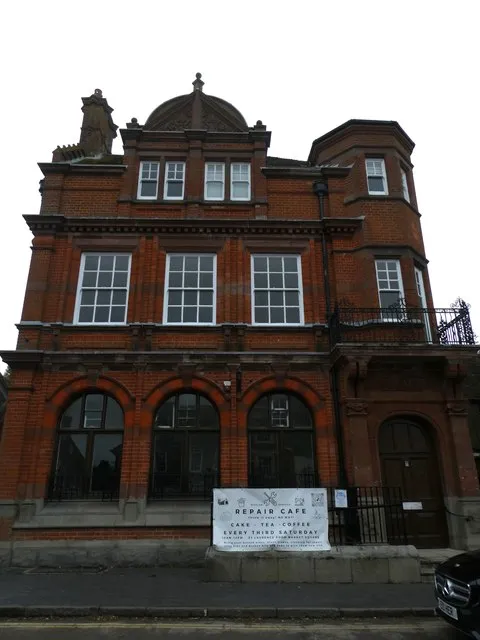
Photo: Basher Eyre , CC BY-SA 2.0, via Wikimedia Commons
Over the past six months I have been running a small, slightly embarrassing experiment: before I buy a replacement for any broken bit of studio kit, it has to go to a repair café first. Not because I am naturally thrifty. I am the person who once bought a second tripod rather than work out which leg was sticking. But the repair café in the church hall at the end of my road kept putting a laminated sign in the window, and eventually my conscience — or maybe the £70 price of a new desk lamp — got the better of me.
As I write this in November 2026, the experiment has covered four items: a desk lamp, a printer, a sewing machine and an old film camera. Some were fixed on the spot. Some were diagnosed and sent home with a list. One was politely described as ‘a bit beyond the table’. All of them taught me something about maintenance that no amount of browsing replacement models could.
The Rules I Set Myself
I wanted this to be a genuine test, not a one-off visit where I turned up with a lamp and left with a warm feeling and no follow-through. So I set four rules:
- No replacement purchase until the repair café had seen the item.
- Keep a proper ledger of parts, travel, tea and waiting time.
- Stay with the item where possible and ask questions.
- If it could not be fixed, ask what would have prevented the fault.
That last rule turned out to be the useful one. It shifted the conversation from ‘can you save this?’ to ‘what should I have been doing all along?’
What Went Across the Table
The desk lamp was first. A dodgy switch, a flicker, a faint smell of hot plastic. A volunteer called Martin had it open before I had finished my tea. He replaced the switch, showed me the scorch mark, and told me off — kindly — for using it with a damaged cable. Twenty-five minutes, £3 for the part, and a lamp that has worked perfectly since.
The printer was less triumphant. It had been sitting unused for months, and the feed rollers were glazed. A volunteer cleaned them, ran a test page, and advised me not to spend money on a new ink set until I had printed something every fortnight. It worked for a while. Then it didn’t. The repair café did not fail; it gave me an honest diagnosis and a temporary stay of execution.
The sewing machine was the surprise. I had assumed the tension was beyond saving. It needed a bobbin case, a clean-out and a patient person to thread it properly while I watched. Forty minutes and £8 later, it was stitching again. The volunteer also wrote the correct threading order on a sticky note and stuck it to the machine. That note is still there.
The camera was the one that got away — or rather, the one that got referred. An old film SLR with perished light seals. The repair café did not have a camera specialist that week, but one of the volunteers put me in touch with a camera club member who did. I bought a £12 seal kit and fixed it myself after a very patient phone call. Not strictly a repair café win, but it started there.
The Ledger, Warts and All
| Item | Issue | Café time | Parts | Outcome |
|---|---|---|---|---|
| Desk lamp | faulty switch, damaged cable | 25 mins | £3 | fixed |
| Printer | glazed feed rollers | 40 mins | £0 | temporary fix, later replaced |
| Sewing machine | tension and bobbin case | 40 mins | £8 | fixed |
| Film camera | perished light seals | 20 mins diagnosis | £12 later | fixed at home |
Total spent at the café: £11 in parts, £6.40 in bus fares, and £4.20 on tea and a rather good flapjack. Total replacement cost avoided, roughly: £180 if I had bought equivalents. Waiting time: one same-day fix, two short visits, one referral that took five weeks to resolve. Success rate: three proper fixes, one honest ‘this is not worth saving’.
That is not a miracle. It is a decent return on a Saturday morning.
What the Volunteers Actually Taught Me
I expected soldering. What I got was diagnostics. The first question was almost always ‘what changed?’ — not ‘what is wrong?’ That is a different kind of thinking. Did it stop after a move? Did it start after a power cut? Was it working before you lent it to someone? By the time I had answered, half the fault was usually narrowed down.
The second lesson was about cleaning. Not glamorous, not clever, but the number of faults caused by dust, fluff and old grease is remarkable. The volunteers treated cleaning as maintenance, not as a chore you do when something breaks. I have started doing the same with my tools: a brush-down, a check of cables, a wipe of the lens mount. It takes ten minutes and saves a lot of low-level annoyance.
The third lesson was about respect. Not sentimental respect — practical respect. Don’t force a screw. Don’t replace a part before you know why the old one failed. Don’t throw away the manual because you think you remember. The repair café is not a free repair shop; it is a classroom with biscuits. You are supposed to leave knowing more than when you arrived.
The Bit I Didn’t Expect
What I did not expect was how much the waiting would affect my work. When the printer was out of action, I had to send a PDF to the library instead of printing at home. When the sewing machine was waiting for a part, I had to plan around it. That small friction made me realise how often I use ‘I’ll just replace it’ as a way of avoiding the admin of maintenance. A repair café slows you down. That is not a bug. It is the point.
It also made me look differently at my own projects. How many things do I abandon because they need a small, unglamorous fix rather than a full rewrite? How often do I confuse ‘broken’ with ‘inconvenient’? The repair café did not make me a better maker in any dramatic way. It made me a less wasteful one, which is close enough.
Would I Do It Again?
Yes. I have a pair of headphones and a desk fan in the queue. I have also learned how to prepare: bring the manual if you have it, describe the fault plainly, stay with the item, and be honest about what you can afford. Book a slot if your local café uses them. Don’t turn up with anything dangerous or leaking. And put a few pounds in the donation tin — the parts are cheap, but the knowledge is not.
If you are in the UK and have a repair café near you, they are usually listed through local library noticeboards, church halls and community networks. Ours runs on the second Saturday of the month, 10am to 1pm, and the tea is stronger than the soldering irons.
Six months in, the lesson is simple: maintenance is a creative practice. It is not the opposite of making. It is the bit that keeps the making possible. The repair café in the corner did not just save me £180 and a few trips to the tip. It taught me to look at my tools — and my own work — as things worth keeping alive rather than replacing.